

As a seasoned supplier of shade nets, I've been asked countless times about the feasibility of using shade nets on rooftops. This question isn't just a passing inquiry; it touches on a practical and cost - effective solution for many homeowners and building managers. In this blog, I'll delve into the various aspects of using shade nets on rooftops, including the benefits, considerations, and the types of shade nets that are suitable for this purpose.
Benefits of Using Shade Nets on Rooftops
Temperature Regulation
One of the most significant advantages of installing a shade net on a rooftop is temperature regulation. During the hot summer months, rooftops can absorb a large amount of solar radiation, which then transfers heat into the building below. A high - quality shade net can block a substantial portion of the sun's rays, reducing the amount of heat that reaches the rooftop surface. This, in turn, helps to lower the indoor temperature, leading to less reliance on air - conditioning systems. According to studies, proper shading can reduce indoor temperatures by several degrees Celsius, resulting in significant energy savings on cooling costs.
Protection from UV Rays
The sun emits harmful ultraviolet (UV) rays that can cause damage to roofing materials over time. Prolonged exposure to UV rays can lead to the deterioration of roofing membranes, fading of roofing colors, and even structural damage. A UV - Blocking Shade Net acts as a protective barrier, filtering out a large percentage of UV rays. This not only extends the lifespan of the rooftop but also maintains its aesthetic appeal.
Cost - Effectiveness
Compared to other roofing insulation or shading solutions, shade nets are relatively inexpensive. They require less material and labor for installation, making them a budget - friendly option for both residential and commercial buildings. Additionally, the energy savings achieved through reduced cooling requirements can offset the initial investment in a short period.
Versatility
Shade nets come in a variety of sizes, colors, and shading percentages. This versatility allows them to be customized to fit different rooftop shapes and sizes, as well as to meet specific shading needs. Whether you have a small residential rooftop or a large commercial building, there is a shade net solution available.
Considerations When Using Shade Nets on Rooftops
Structural Integrity
Before installing a shade net on a rooftop, it's crucial to assess the structural integrity of the roof. The weight of the shade net, especially when wet or under heavy wind conditions, must be supported by the roof structure. In some cases, additional support may be required, such as installing support poles or frames. It's advisable to consult a structural engineer to ensure that the roof can safely accommodate the shade net.
Wind Resistance
Rooftops are often exposed to high - speed winds, which can put stress on the shade net. When selecting a shade net, look for one with high wind resistance. The net should be properly secured to the rooftop to prevent it from being blown away. This may involve using strong ropes, clips, or brackets to anchor the net firmly in place.

Fire Safety
Some shade nets are made from synthetic materials that may be flammable. It's essential to choose a fire - resistant shade net, especially if the rooftop is in an area prone to wildfires or if there are potential fire hazards nearby. Check the fire safety ratings of the shade net before making a purchase.
Maintenance
Like any other outdoor installation, shade nets require regular maintenance. Debris such as leaves, branches, and dirt can accumulate on the net, reducing its shading efficiency. Periodic cleaning is necessary to keep the net in good condition. Additionally, inspect the net for any signs of damage, such as tears or fraying, and repair or replace it as needed.
Types of Shade Nets Suitable for Rooftops
Black Shade Net
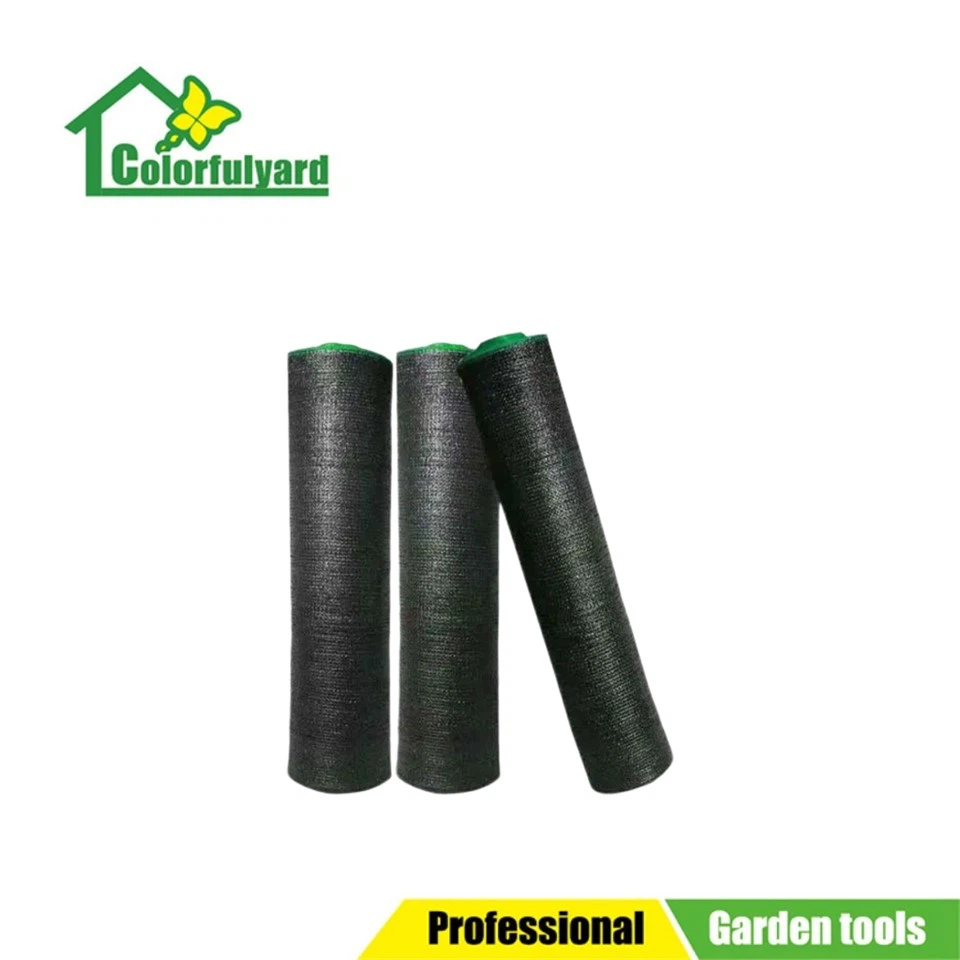
A Black Shade Net is a popular choice for rooftops. Black is a good absorber of heat, which means it can effectively block sunlight and reduce the amount of heat transferred to the rooftop. It also has a high UV - blocking capacity, providing excellent protection for the roof. Black shade nets are available in different shading percentages, allowing you to choose the level of shading that best suits your needs.
Aluminized Shade Net
Aluminized shade nets have a reflective surface that reflects a large portion of the sun's rays. This type of shade net is highly effective in reducing heat gain on rooftops. It is also durable and resistant to UV rays and weather conditions. Aluminized shade nets are often used in commercial buildings where energy efficiency is a top priority.
Green Shade Net
Green shade nets are not only functional but also aesthetically pleasing. They blend well with the surrounding environment, making them a good choice for residential rooftops. Green shade nets provide a moderate level of shading and are suitable for areas where a more natural look is desired.
Installation Process
The installation of a shade net on a rooftop typically involves the following steps:
- Measurement: Accurately measure the dimensions of the rooftop to determine the size of the shade net required.
- Selection of Support Materials: Choose appropriate support materials such as poles, frames, ropes, and clips based on the size and shape of the rooftop and the wind conditions in the area.
- Installation of Support Structure: Install the support structure on the rooftop. This may involve drilling holes in the roof and securing the poles or frames firmly.
- Laying the Shade Net: Carefully lay the shade net over the support structure and secure it using ropes, clips, or brackets. Make sure the net is taut and evenly distributed.
- Final Inspection: Once the shade net is installed, conduct a final inspection to ensure that it is properly secured and there are no loose ends or gaps.
Conclusion
In conclusion, a shade net can be an excellent solution for rooftops. It offers numerous benefits such as temperature regulation, UV protection, cost - effectiveness, and versatility. However, it's important to consider factors such as structural integrity, wind resistance, fire safety, and maintenance before installation. By choosing the right type of shade net and following proper installation procedures, you can enjoy the advantages of a shaded rooftop for years to come.
If you're interested in purchasing a shade net for your rooftop or have any questions about our products, feel free to reach out to us. We're here to help you find the perfect shading solution for your needs.
References
- "The Impact of Shading on Building Energy Consumption," Journal of Building and Environment
- "UV Protection of Textile Materials," Textile Research Journal