


Garden Net
The Best Garden Net Manufacture!
Yiwu Humeda Garden Tools Co., Ltd. (formerly Humeda International HK Co., Ltd.) focuses on the development, production, sales, and service of garden tools, garden atomization, and agricultural irrigation products.
Why Choose Us
One-stop Solution
With rich experience and one-to-one service,we can help you choose products and answer technical questions.
After-sales service
We offer excellent after-sales support, including technical assistance, product maintenance, and efficient handling of any issues. Our commitment to quality and service has earned us praise from customers worldwide, ensuring a seamless experience from start to finish.
Competitive Price
We have professional sourcing team and cost accounting team, stive to reduce cost and profit and provide you a good price.
Commitment to quality
We're committed to quality and concrete actions. That means we always deliver solutions in a professional and practical way.
-
![Garden Anti Bird Net 2x5m]() Garden Anti Bird Net 2x5mProtect your garden, plants, and property with our 2x5m Garden Anti-Bird Net. Made from durable 10mm mesh nylon, it blocks birds without hindering air and light. Water and UV resistant,...read more
Garden Anti Bird Net 2x5mProtect your garden, plants, and property with our 2x5m Garden Anti-Bird Net. Made from durable 10mm mesh nylon, it blocks birds without hindering air and light. Water and UV resistant,...read more -
![Removable Bird Net 4x5m]() Removable Bird Net 4x5mThe Removable Anti Net, measuring 4 meters by 5 meters, is a versatile and effective solution designed to protect your garden, crops, or sports field from unwanted intruders such as birds and...read more
Removable Bird Net 4x5mThe Removable Anti Net, measuring 4 meters by 5 meters, is a versatile and effective solution designed to protect your garden, crops, or sports field from unwanted intruders such as birds and...read more -
![Agricultural Plant Net]() Agricultural Plant NetEnhance your agricultural harvests with our Agricultural Plant Net. Ideal for commercial horticulture, it optimizes space, strengthens seedlings, and improves growth conditions. Suitable for...read more
Agricultural Plant NetEnhance your agricultural harvests with our Agricultural Plant Net. Ideal for commercial horticulture, it optimizes space, strengthens seedlings, and improves growth conditions. Suitable for...read more -
![Plastic Plant Net]() Plastic Plant NetThe Plastic Plant Net is an innovative gardening accessory designed to offer protection and support for plants during their growth cycle. This net is an excellent choice for gardeners and farmers...read more
Plastic Plant NetThe Plastic Plant Net is an innovative gardening accessory designed to offer protection and support for plants during their growth cycle. This net is an excellent choice for gardeners and farmers...read more -
![Black Shade Net]() Black Shade NetThe Black Shade Net is an essential agricultural and landscaping tool designed to regulate light intensity, temperature, and humidity for plants. This versatile net is ideal for a variety of...read more
Black Shade NetThe Black Shade Net is an essential agricultural and landscaping tool designed to regulate light intensity, temperature, and humidity for plants. This versatile net is ideal for a variety of...read more -
![UV-Blocking Shade Net]() UV-Blocking Shade NetThe UV-Blocking Shade Net is an innovative agricultural product designed to protect crops and plants from the harmful effects of ultraviolet (UV) radiation while providing the necessary shade for...read more
UV-Blocking Shade NetThe UV-Blocking Shade Net is an innovative agricultural product designed to protect crops and plants from the harmful effects of ultraviolet (UV) radiation while providing the necessary shade for...read more


Bird Net
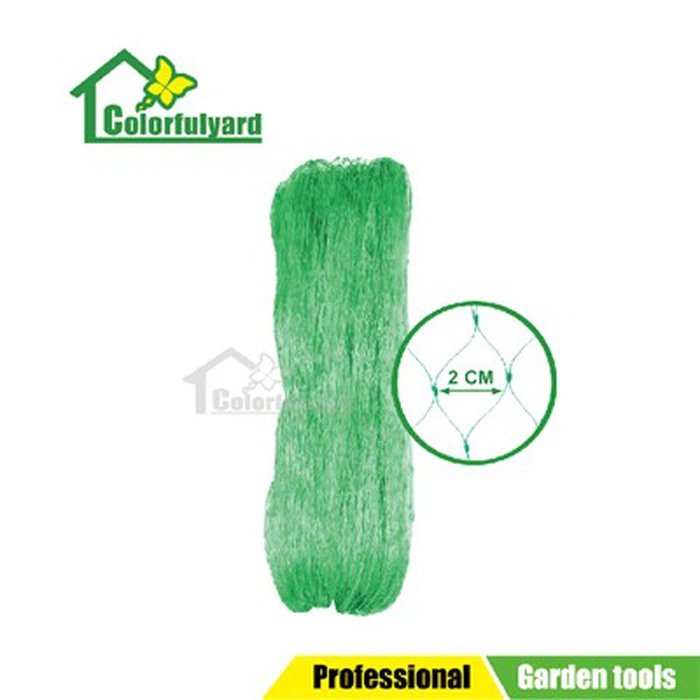
Bird netting or anti-bird netting is a form of bird pest control. It is a net used to prevent birds from reaching certain areas.
Bird protection netting comes in a variety of shapes and forms, The most common is a small mesh (1 or 2 cm squares) either extruded and bi-oriented polypropylene or woven polyethylene.
Benefits of Bird Net
Effective Bird Deterrent: Bird netting acts as a physical barrier that prevents birds from accessing certain areas of a building, deterring them from nesting or perching on surfaces. This makes it an ideal solution for both new constructions and existing buildings.
Humane Solution: Unlike other bird control methods that may harm birds, bird netting is a humane solution that merely discourages birds from settling in a particular area without causing them any harm.
Aesthetic Appeal: Bird netting is available in various colors and materials, allowing you to choose an option that blends seamlessly with the design and color scheme of your building. This ensures that the netting does not compromise the visual appeal of your property.
Durability and Weather Resistance: High-quality bird netting is designed to withstand harsh weather conditions, ensuring long-lasting protection for your building.
Cost-effective: Bird netting offers a cost-effective solution compared to other bird control methods. With minimal maintenance requirements, bird netting provides long-term protection for your investment.
7 Tips for Using Bird Netting Effectively
Properly Install the Netting
Proper installation of bird netting is crucial for its effectiveness. Make sure the netting covers the entire area and is securely fastened at the bottom to prevent birds from slipping underneath. Leave some slack in the netting to allow plants to grow without being damaged.
Choose the Right Mesh Size
The mesh size of bird netting should be chosen based on the type of birds you are trying to keep out. Smaller mesh sizes are suitable for smaller birds, while larger mesh sizes are better for larger birds. Choosing the right size ensures that birds cannot get through the netting and cause damage to your plants.
Regularly Inspect and Maintain the Netting
Regularly inspecting and maintaining the bird netting is essential for its longevity and effectiveness. Check for any holes or tears in the netting that could potentially allow birds to enter. Repair any damages promptly to keep the netting working as intended.
Use Other Bird Deterrents Alongside Netting
While bird netting is an effective solution on its own, using other bird deterrents can increase its effectiveness.you can also use scarecrows, reflective tape, or predator decoys to further deter birds from your garden or crop area.
Remove Attractive Features for Birds
Birds are attracted to certain features, such as open water sources and bird feeders. If you have these in your garden or near your crops, consider removing them while using bird netting. This will help reduce the number of birds in the area and make the netting more effective.
Remove Fallen Fruits and Vegetables
Leaving fallen fruits and vegetables on the ground can attract birds to your garden, even if you have bird netting in place. Make sure to regularly clean up any fallen produce to discourage birds from entering your protected area.
Store Bird Netting Properly
When not in use, it’s important to store bird netting properly. Make sure it is clean and dry before storing it in a cool and dry place. This will prevent any potential damage or wear and tear, ensuring the netting can be used effectively for future growing seasons.
Bird netting is designed to hold enough weight that if the particular species it is made for happens to land or fly into the netting, it will not break or harm the bird.each type of bird netting is different, meaning each style will have its own level of durability and breaking strength.
Larger and more heavy-duty netting will hold more weight as they are designed for larger birds like pesky gulls, geese, and swans, which can weigh anything from 1.5kg to 12kg.
Standard netting, which is designed for small birds like pigeons and sparrows weighing around 0.03kg – 0.35kg, will obviously hold far less weight.
Ensuring proper bird netting installation is another key contribution to how much weight the bird netting will hold. A poorly installed bird net will not do as well at holding back birds and can put them in danger if they get caught in a flimsy net.

Polyethylene Netting: Known for its lightweight yet durable nature, polyethylene netting is a popular choice for general bird control. Its biggest advantage is its resistance to UV radiation, a critical factor considering Australia’s harsh sun. This resistance ensures that the netting remains effective for a longer period, without succumbing to the degrading effects of continuous sun exposure.polyethylene is flexible, making it easy to install in various settings, from small garden patches to larger agricultural lands.
Nylon Netting: Nylon stands out for its exceptional strength and flexibility. This material is ideal for areas that endure regular stress or are exposed to strong winds and storms – a common scenario in many parts of Australia. Nylon netting is resilient against these elements, ensuring that your bird control solution remains intact and functional even in adverse weather conditions.
Polypropylene Netting: This material is often chosen for its balance of lightweight design and durability. Polypropylene is particularly effective for temporary setups or for use in areas where lighter netting is sufficient. It’s also a cost-effective option for those who need a reliable solution without a significant investment.
Stainless Steel Netting: When it comes to the most challenging environments and the largest, most persistent birds, stainless steel netting is the ultimate solution. Commonly used in critical areas such as airports or large commercial spaces, stainless steel netting is unparalleled in strength. It withstands not just the attempts of birds to breach it, but also resists corrosion and wear over time, making it a long-term solution.
Shade Net
Standard Shade Nets
This is however the most common category of shade netting having between 30% -90% shading capacities. The commonly used ones are usually made from high quality HDPE materials. They give medium to high amounts of shading depending on how much you need for your plants. There is various use common including nurseries, greenhouses, shades in gardens among others.
Aluminet Shade Nets
Aluminet shades nets belong to special kind fabrics put up with an aluminum covering on one part. Aluminum coating reflects sunlight away from shadowed areas thus giving it desirable temperature control effects. These nets have heat reduction capabilities because they reflect almost all radiations coming from sunrays back into atmosphere.during hot weather seasons, it is advisable using aluminet shade nets as they are highly reflective. They have low heat conductivity that makes them effective in lowering the temperature with the percentage of shades varied from 30% to 70%.
Knitted Shade Nets
Knitted shade nets are made through a knitting process which produces a tough yet flexible fabric unlike woven ones that can be stiff. The knitted shade nets differ from their woven counterparts because they can be easily stretched and moved hence their installation is easier. They shelter plants while allowing air to penetrate through them and their UV absorption capacity is also very impressive. They come in different shade percentages, and they can be used for various purposes, including farming, construction, landscaping, etc.
Monofilament Shade Nets
Monofilament shade nets are made from single strands of HDPE material, and this makes them lightweight but strong. This way, they last longer and are resistant to quick wear and tear ideal for use in outdoor settings on the long run. While protecting against sun rays, monofilament shade nets allow enough air flow and enable light to penetrate into an internal area. They have varying percentages of shading and mostly applied in farming contexts like vineyards, tree nurseries, orchards etc.
Woven Shade Nets
Woven shade nets are manufactured using a weaving method that results in closely knit fabric with even distribution of shades. These shading materials are very strong making them appropriate for use in heavy duty application. It is also good when used during long duration since it provides constant protection of UV rays due to its stabilized nature.making it suitable to withstand harsh weather conditions as well as other weather extremities such as storms and wind. Therefore they are highly recommended for people who stay in places characterized by these in particular regions of the world. Their applications range from farms to recreational spaces.

In Agriculture - Equipped with its abilities to protect crops from natural disturbances such as Ultraviolet Rays and Heat Waves from the Sun, wind, rain, hail, frost and snow it has been brought to much use within the agricultural sector. With its temperature controlling features, it provides the nursery vegetation with a preferable environment which stimulates photosynthesis. No doubt it has been branded out to be the most ideal equipment to raise the agricultural sector.
In Construction - Marked by the easiness of its installation and the efficiency of its filtering properties, these Nets are brought about use in various construction sites. Ever seen those green nets wrapped around the buildings undergoing construction Yes, those are the Shade Nets which come by the name of construction nets owing to its use in the construction sector.
Covering the stadiums - These Nets are also brought about the covering of Golf clubs and stadiums. These thus prevent weather disturbances such as wind which in turn prevents soil erosion.it keeps equipment like that of cricket ball and golf ball from flying away out of the stadium on being hit.
Parking Shades - To prevent the roof of your car from being boiled away in exposure to direct sunlight, again Shade Nets of 90-95% dense Polyethylene fabric can be brought in use.
Poultry Shades - If you have a poultry farm set up and looking for equipment to cover it with, Shade Nets are the best. Never go for wooden roofs as an option.
Understanding Shade Percentage in Shade Net: A Comprehensive Guide
Shade percentage refers to the amount of sunlight that can penetrate through the shade net. It is calculated by determining the percentage of light blocked by the net. a 50% shade cloth will block 50% of the incoming sunlight, allowing the remaining 50% to pass through.
A 35% shade net blocks 35% of the sunlight, making it suitable for semi-shade applications. It provides adequate protection from the scorching sun while allowing sufficient sunlight for plants that thrive in partially shaded conditions. This shade percentage is ideal for nurseries, small-scale crops, and delicate flowers that require filtered sunlight.
A 50% shade cloth blocks half of the sunlight, offering balanced protection for various applications. This percentage is commonly used in greenhouses, gardens, and outdoor recreational areas. It protects plants from excessive heat and helps reduce water evaporation, creating a favorable environment for their growth.
A 75% shade cloth blocks 75% of the sunlight, providing substantial protection from intense sunlight. This shade percentage is popularly used in livestock farming, poultry houses, and shading sensitive plants. It helps in preventing heat stress, maintaining a comfortable environment for animals and delicate crops.
A 90% shade cloth is the highest shade percentage available, blocking 90% of the sunlight. This level of protection is suitable for areas with extreme heat conditions or sensitive crops that require minimal direct sunlight. It is commonly used in regions with scorching summers and for shading high-value crops.
Installation of Shade Net House


Site Selection
Agro net comes in different shapes, sizes, and materials. Many factors need to be considered before making a decision about where to put your structure. Shade net houses are normally used as structures for plant growth.
An important aspect of site selection when working with a structure like a shade net house is wind protection because without adequate wind protection plants will not thrive inside a confined space like an unventilated polyhouse or shade net house.
Wind speed and direction influence heat loss from buildings which means windbreaks must be provided wherever structural solidity allows.
Electricity
Shadenet houses need electricity for illumination at night. And they require electricity for ventilation fans to circulate air. In hot climates.
You can either make an easy assessment of electricity directly from the electricity pole or you can go for the Solar panels.
Shade net houses use electricity from solar panels during daylight hours and store excess energy in batteries for use at night, eliminating human error.
Water Testing
Shade nets are a form of polyethylene, meaning they will deteriorate in UV light. Rainwater that collects on your nets should be tested at least twice per year for pH, general hardness (GH), total dissolved solids (TDS) and chlorine.
Normal values for these tests vary according to a water source but our agronomists recommend ensuring that GH levels remain below 200 ppm, TDS below 500 ppm and pH levels above 6.5 – 7.0 to ensure a healthy environment for your crops.
Soil Testing
Shade net houses are especially to protect crops from harsh weather and pests. Soil testing allows farmers to see which crops will grow best in their area, as well as what other needs their soil has.
When paired with green net houses, these tests are invaluable for both farmers looking to improve their yield and consumers who want to eat healthily.
Transportation
You should find out which options are available to you before deciding on a provider for transporting your structure.
Considerations for choosing your transporter:
-Load size (footprint of structure)
-Weight of load
-Direction that load needs to travel
-Distance that load needs to travel.
Skill Labour
A skilled labour force is a requirement to manage and work on greenhouse net shading.
Nearby Market
If your goal is to sell through retailers, visit each one in your area to determine who sells what. Knowing your target market will allow you to make more informed decisions.about which types of houses are best for that market and which look most appealing.
Our Factory

Yiwu Humeda Garden Tools Co., Ltd. (formerly Humeda International HK Co., Ltd.) is located in Yiwu, China. We specialize in the research, development, manufacturing, marketing, and service of garden tools and agricultural irrigation products. The company boasts a team of senior professional technical and management talents and has established a management system integrating science, industry, and trade.
FAQ
Q: What does 70 shade net mean?
Q: What is the lifespan of shade net?
Q: What is 90% shade net?
Q: What material is used for shade nets?
The netting is made of HDPE and is highly resistant to UV rays. It comes in varying densities, such as 30%, 40%, 50%, and 70%, and can be used for crop protection, greenhouse farming, and nurseries. Anti-hail knitted shade netting is available in green and white colors.
Q: Does shade net reduce temperature?
Q: What crops can grow under shade net?
Q: What is the best color for shade net?
Q: How do you clean a shade net?
Q: How do I choose a shade net?
Q: How to hang bird netting to balcony?
Q: How long does bird netting last?
Q: How to fix bird netting?
Q: What is the purpose of bird netting?
Q: Is bird netting strong?
Q: Can bird netting be cut to size?
Q: Are bird nets safe for birds?
Q: How is bird netting made?
Q: What is an alternative to bird netting?
Q: What is the best color for bird netting?
Q: How wide is bird netting?
As one of the most professional garden net manufacturers and suppliers in China, we're featured by quality products and low price. Please rest assured to buy cheap garden net made in China here from our factory. Contact us for quotation.