

Hey there! As a shade net supplier, I get asked a ton of questions about shade nets, and one that pops up pretty often is, "What is the installation height for a shade net?" Well, let's dive right into it and figure out the best heights for different situations.
Why Installation Height Matters
First off, you might be wondering why the installation height even matters. Well, it has a big impact on how effective the shade net is. If it's too low, it might not provide enough coverage for the area you want to protect. On the other hand, if it's too high, the shade might be too spread out, and you won't get the concentrated protection you need.
Factors Affecting Installation Height
There are several factors that can influence the ideal installation height for a shade net. Let's take a look at some of the most important ones.
Type of Plants or Area to be Protected
If you're using the shade net to protect plants, the height will depend on the type of plants you have. For low - growing plants like lettuce or strawberries, a lower installation height might be sufficient. You can install the shade net around 2 - 3 feet above the ground. This close proximity ensures that the plants get the right amount of shade without being exposed to too much direct sunlight.
On the other hand, if you're protecting taller plants like tomatoes or cucumbers, you'll need to install the shade net higher. A height of 5 - 6 feet would be more appropriate. This gives the plants enough room to grow vertically while still providing them with the necessary shade.
If you're using the shade net to create a shaded area for people, like a patio or a seating area, you'll want to install it at a height that allows for comfortable movement. A height of 7 - 8 feet is usually a good choice. This gives people enough headroom to walk around without feeling cramped.
Sun Angle
The angle of the sun also plays a crucial role in determining the installation height. During different times of the year and at different times of the day, the sun's angle changes. In the summer, when the sun is high in the sky, a higher installation height might be needed to ensure that the shade covers the desired area. In the winter, when the sun is lower, a lower installation height could be sufficient.
Wind Conditions
Wind can be a real problem for shade nets. If the installation height is too high, the shade net might be more exposed to strong winds, which can cause it to tear or come loose. In areas with high wind speeds, it's a good idea to install the shade net at a lower height. This reduces the surface area exposed to the wind and makes the shade net more stable.
Recommended Installation Heights for Different Situations
Garden Use
In a garden setting, if you're protecting seedlings or young plants, a height of 2 - 3 feet is ideal. This provides them with the right amount of shade and protection from the elements. As the plants grow, you can adjust the height of the shade net accordingly.
For mature plants in a vegetable garden, a height of 4 - 6 feet is recommended. This allows the plants to grow freely while still being protected from excessive sunlight.
Agricultural Use
In large - scale agricultural operations, the installation height can vary depending on the crop. For crops like grapes or hops, which are trained to grow on trellises, the shade net can be installed at a height of 6 - 8 feet. This gives the vines enough room to grow and spread out.
For field crops like corn or soybeans, a lower height of 3 - 5 feet might be sufficient. This helps to reduce the temperature around the plants and protect them from heat stress.
Recreational Areas
In recreational areas like parks or playgrounds, a height of 7 - 10 feet is usually recommended. This provides a large shaded area for people to relax and play in, while still allowing for easy movement.
Our Shade Net Products
We offer a wide range of shade nets to meet your needs. Our UV - Blocking Shade Net is perfect for areas where you need to block out harmful UV rays. It's made from high - quality materials that are durable and long - lasting.
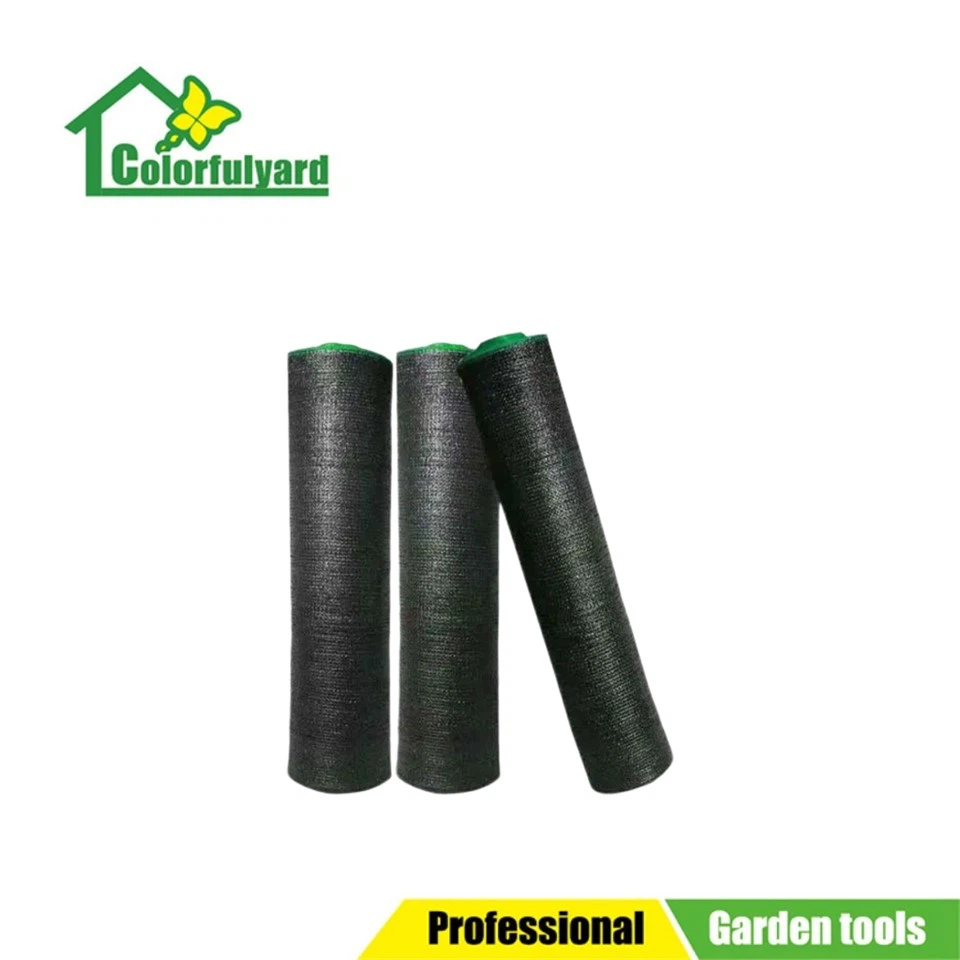

If you're looking for a more traditional option, our Black Shade Net is a great choice. It provides excellent shade and is suitable for a variety of applications.
How to Install a Shade Net
Installing a shade net is not as difficult as it might seem. Here are the basic steps:
- Measure the Area: First, measure the area where you want to install the shade net. This will help you determine the size of the shade net you need.
- Choose the Right Height: Based on the factors we discussed earlier, choose the appropriate installation height.
- Install the Support Structures: You'll need to install support structures like poles or posts to hold the shade net in place. Make sure the support structures are firmly anchored in the ground.
- Attach the Shade Net: Once the support structures are in place, attach the shade net to them using ropes, clips, or other fasteners. Make sure the shade net is taut and secure.
Conclusion
So, there you have it! The installation height for a shade net depends on several factors, including the type of plants or area to be protected, the sun angle, and the wind conditions. By considering these factors and following our recommendations, you can ensure that your shade net provides the best possible protection.
If you're interested in purchasing a shade net for your project, don't hesitate to get in touch with us. We're here to help you choose the right shade net and provide you with all the information you need for a successful installation. Let's work together to create the perfect shaded area for your needs.
References
- "Shade Net Installation Guide" - Agricultural Extension Service
- "Sunlight and Plant Growth" - Horticulture Journal
- "Wind Resistance of Shade Structures" - Engineering Research Report