

Hey there! As a supplier of reel carts, I often get asked about the maximum speed at which these nifty devices can be moved. It's a question that involves a bunch of factors, so let's dive right in and break it down.
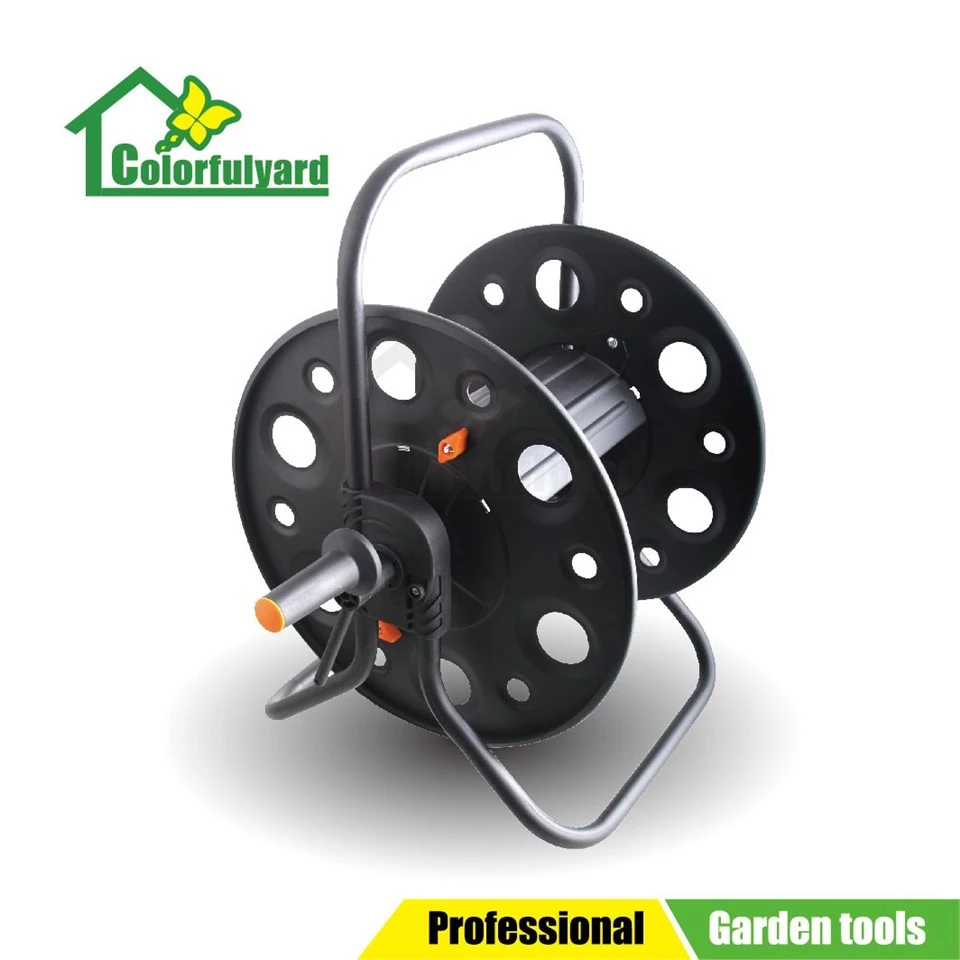
First off, what exactly is a reel cart? Well, it's a handy piece of equipment designed to store and dispense various types of hoses, cables, or cords. You've got different kinds, like the Waetr Hose Reel Cabinet, the Wall Hanging Metal Hose Reel Cart, and the Automatic Expansion Air Hose Reel. Each type has its own features and is built for specific uses, which can influence how fast they can be moved.
Factors Affecting the Maximum Speed
1. Design and Construction
The way a reel cart is built plays a huge role in determining its maximum speed. If it's a well - made cart with high - quality materials and a sturdy frame, it can handle higher speeds better. For example, a cart made of thick - gauge metal will be more stable and less likely to tip over or get damaged when moving quickly compared to one made of flimsy plastic.
The wheels also matter a lot. Larger, durable wheels with good traction can roll smoothly at higher speeds. They can handle bumps and uneven surfaces better, reducing the risk of the cart getting stuck or losing control. On the other hand, small, cheap wheels might limit the speed because they can't provide enough stability or grip.
2. Load Capacity
The amount of weight the reel cart is carrying is another crucial factor. If you've loaded it up with a heavy hose or a bunch of cables, the extra weight will slow it down. The more weight there is, the more force is needed to move the cart, and the harder it is to maintain a high speed.
Let's say you've got a reel cart with a light - duty garden hose. You might be able to move it at a relatively brisk pace. But if you load it up with a thick, industrial - grade air hose, you'll notice a significant drop in how fast you can push or pull it.
3. Surface Conditions
The surface on which the reel cart is being moved makes a big difference. A smooth, flat floor, like a polished concrete surface in a warehouse, allows for faster movement. The wheels can roll freely without much resistance, so you can move the cart more quickly.
However, if you're trying to move the cart on a rough, uneven surface, like a gravel driveway or a grassy lawn, the speed will be severely limited. The bumps and dips can cause the cart to shake, making it difficult to control and increasing the risk of the hose or cable getting tangled.
4. Type of Reel Mechanism
The reel mechanism itself can also affect the speed. Some reel carts have a manual winding mechanism, where you have to turn a crank to wind or unwind the hose. Moving these carts at high speeds can be tricky because the hose might not wind or unwind smoothly, leading to tangles or even damage to the reel.
On the other hand, automatic reel carts, like the Automatic Expansion Air Hose Reel, are designed to handle the movement of the hose more efficiently. They can often be moved at a faster pace because the hose retracts or extends automatically without much manual intervention.
Real - World Estimates of Maximum Speed
In a controlled environment, like a well - maintained factory floor, a reel cart with a light load and good wheels can probably be moved at a speed of around 3 - 5 miles per hour. This is a reasonable speed that allows for quick movement without sacrificing too much control.
If you're on a smooth, flat surface and the cart is empty, you might be able to push it a bit faster, maybe up to 6 - 7 miles per hour. But remember, this is in ideal conditions.
In less - than - perfect situations, such as on an uneven outdoor surface or with a heavy load, the speed will drop significantly. You might only be able to move the cart at 1 - 2 miles per hour, especially if you're trying to keep the hose or cable from getting damaged.
Safety Considerations
It's important to note that just because a reel cart might be physically capable of being moved at a certain speed, it doesn't mean you should always do it. Safety should always be your top priority. Moving a reel cart too fast can lead to accidents, such as the cart tipping over, the hose getting tangled and causing a tripping hazard, or the cart hitting something and causing damage.
When you're moving a reel cart, make sure you have a clear path, and keep an eye out for any obstacles. If you're in an area with other people, slow down to avoid collisions.

Conclusion
So, to sum it up, there's no one - size - fits - all answer to what the maximum speed at which a reel cart can be moved is. It depends on a variety of factors, including the design and construction of the cart, the load it's carrying, the surface conditions, and the type of reel mechanism.
As a supplier, I always recommend taking the time to understand your specific needs and the limitations of the reel cart you're using. If you're looking for a reel cart that can handle higher speeds, we've got a great range of products, like the Waetr Hose Reel Cabinet and the Wall Hanging Metal Hose Reel Cart, that are built to be durable and efficient.
If you're interested in purchasing a reel cart or have any questions about our products, feel free to reach out to us. We're here to help you find the right cart for your needs and ensure you get the most out of it.
References
- Engineering principles of material strength and mechanics for understanding the effect of design and construction on speed.
- Industry standards and best practices for load capacity and safety when moving reel carts.